Best man and van for Waterloo Station pickups and drop offs
Trying to arrange a smooth pickup or drop off at Waterloo Station can feel oddly stressful for something that should be simple. One minute you are timing a train, the next you are worrying about traffic, kerb space, heavy luggage, and whether your driver will be stuck circling round like everyone else in central London. That is exactly why the best man and van for Waterloo Station pickups and drop offs matters: it is not just about transport, it is about timing, coordination, and keeping the whole move calm enough to actually work.
In this guide, we will look at what makes a Waterloo Station transfer different, how a man and van service should handle it, what to check before you book, and the mistakes that cause most last-minute headaches. Whether you are moving a few boxes, collecting a new sofa, or meeting someone arriving with too much luggage after a long trip, the right setup can save time, stress, and a fair bit of muttering under your breath.
Table of Contents
- Why Best man and van for Waterloo Station pickups and drop offs Matters
- How Best man and van for Waterloo Station pickups and drop offs Works
- Key Benefits and Practical Advantages
- Who This Is For and When It Makes Sense
- Step-by-Step Guidance
- Expert Tips for Better Results
- Common Mistakes to Avoid
- Tools, Resources and Recommendations
- Law, Compliance, Standards, or Best Practice
- Options, Methods, or Comparison Table
- Case Study or Real-World Example
- Practical Checklist
- Conclusion
- Frequently Asked Questions
Why Best man and van for Waterloo Station pickups and drop offs Matters
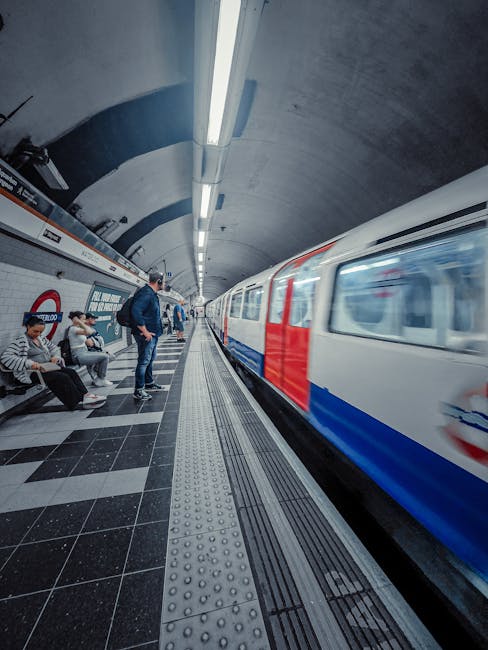
Waterloo Station is not a quiet suburban stop where a vehicle can pull up, wait a few minutes, and then roll away without fuss. It is one of the busiest transport hubs in London, which means roads around the station can be crowded, stopping points are limited, and timing matters more than people expect. A good man and van service understands that the job is not simply to turn up with a vehicle. It has to slot into the rhythm of the station, the street layout, and the actual movement of passengers.
This matters because missed timing can snowball quickly. If a passenger exits early and the driver is late, someone ends up standing with bags in the rain. If a van arrives too soon and has nowhere practical to pause, the driver may waste time looping around. If the load is bulky, the wrong vehicle size can make the whole thing awkward. Truth be told, most Waterloo problems are not dramatic; they are just the result of poor planning and a bit of central London chaos.
For local homes, offices, and travellers alike, Waterloo often acts as a handover point. You might be moving between a train and a flat in South Bank. You might be collecting a student arriving with boxes. Or perhaps you are managing a business delivery to a nearby address and need a reliable transfer from the station. In all those cases, a flexible man and van service is usually the practical middle ground: faster than a large removals setup, more organised than trying to do it all yourself, and easier to adapt to station traffic than people often assume.
Expert summary: the best Waterloo Station pickup or drop off is the one that is planned around real-life station conditions, not just the ideal booking time. If the timing, load size, and access point are sensible, the rest gets much easier.
How Best man and van for Waterloo Station pickups and drop offs Works
A Waterloo Station man and van job usually begins with a few simple details: where the pickup or drop off is happening, how many items are involved, whether there is luggage or furniture, and whether the customer needs help loading and unloading. From there, the driver plans arrival time, vehicle positioning, and route choice. That sounds straightforward, but near Waterloo the details really matter.
In practical terms, the service is often used in one of three ways. First, as a passenger transfer with luggage or boxes. Second, as a small removals job where items are collected from or delivered to a nearby address. Third, as a same-day transport option for awkward items that are too much for a taxi but too little for a full removals crew. If you need a broader moving option, it can also sit alongside moving van arrangements or a more complete removal services package.
The key is coordination. A station pickup is rarely about the van sitting directly outside the concourse at the perfect moment. More often, the driver meets at a practical nearby point, keeps contact open, and adjusts based on what is happening on the road and platform side. That flexibility is half the value. The other half is the physical help: lifting bags, protecting fragile items, and making sure nothing gets left behind because everyone was in a rush.
For drop offs, the process works in reverse. The driver plans a sensible arrival window, checks the best point to stop, and helps unload quickly so the vehicle is not blocking traffic longer than necessary. If you have ever seen a driver wedge a van into a congested curb space, engine idling, everyone tense, you will understand why a bit of local know-how goes a long way.
Key Benefits and Practical Advantages
The right Waterloo Station pickup and drop off service brings more than convenience. It solves several small but very real problems at once.
- Less stress at a busy transport hub: you are not trying to juggle bags, maps, and road decisions at the same time.
- Better timing around trains: a decent service understands that station schedules and road timing need to line up.
- Useful for awkward loads: suitcases are one thing, but boxed belongings, musical gear, office items, or flat-pack furniture are another.
- More control than a standard taxi: you get loading help and more space for mixed items.
- Safer handling: heavy or fragile items are less likely to be dropped, scraped, or wedged in the wrong way.
- Flexible for same-day changes: central London travel plans change, and sometimes there is no point pretending otherwise.
If you are comparing options, a local mover can often offer a more practical fit than a generic vehicle hire. A station transfer is usually not a one-size-fits-all job. It might be one person with three boxes, or it might be a small office relocation after a rail arrival. For business users, it can also connect with commercial moves or office removals where the station is just one part of a larger journey.
And here is a small but important point: the cheapest option is not always the best value if it misses the timing window. Near Waterloo, a slightly better-organised service can save you twenty minutes of waiting, which often feels like a blessing when you are standing under the station lights with bags cutting into your hands.
Who This Is For and When It Makes Sense
This kind of service suits more people than you might first think. It is not just for house moves. In fact, Waterloo Station pickups and drop offs are often used for small, specific, messy little transport jobs that do not quite fit a normal taxi or courier.
- Travellers with bulky luggage who need help getting to a hotel, rental flat, or another London station.
- Students moving into or out of accommodation with boxes, bags, and maybe a plant they insist is essential.
- Families arriving with pushchairs, suitcases, sports kit, and a general sense of overload.
- Business travellers carrying display materials, samples, or equipment.
- Home movers who need a short hop between Waterloo and a nearby property.
- Landlords and hosts arranging practical handovers for furniture or stored belongings.
It also makes sense when you want the flexibility of a small team rather than a large crew. A full household move is better handled through home moves or even house removals, but a station pickup is a different beast. It is quicker, lighter, and usually much more time-sensitive.
Let's face it: if you are trying to meet a train arrival, manage luggage, and keep a driver informed at the same time, doing it alone can get clumsy fast. A good man and van service turns that tangle into something much more manageable.
Step-by-Step Guidance
If you want the process to go smoothly, treat it like a small logistics job rather than an afterthought. Here is a simple way to plan it.
- Confirm the exact need. Is this a pickup, a drop off, or both? Are there bags, boxes, furniture, or fragile items?
- Choose the right vehicle size. A compact load can fit in a smaller van, but oversized or mixed items may need more space. If you are unsure, ask rather than guess.
- Share timing details early. Train arrival time, likely delays, and any flexibility all help the driver plan properly.
- Identify the meeting point. Waterloo can be busy, so the exact place to meet matters. Be clear, even if it feels a bit over-detailed.
- Explain access restrictions. Stairs, lift access, narrow entrances, loading limits, or no-waiting zones can all affect the job.
- Prepare items in advance. Bags zipped, boxes sealed, fragile items wrapped, and labels visible where possible.
- Keep the phone on. A missed call can slow everything down, especially if the platform changes or the exit is busier than expected.
- Check the booking details. Make sure the date, time, address, and service scope are all correct before the day arrives.
If your move is more than a simple station transfer, it may be worth looking at packing and unpacking services as well. Not for everyone, sure, but for time-pressed jobs they can remove a surprising amount of friction.
One small real-world tip: if the pickup is for someone arriving on a train, ask them to send a message the moment they are off the platform. Not when the train arrives. Not when it "should be nearly there." Off the platform. That little timing tweak can save five minutes of confusion, which in London can feel like a small miracle.
Expert Tips for Better Results
To get the best result, think beyond the vehicle and focus on the whole handover.
- Book with enough buffer. Waterloo traffic and passenger flow can make exact timing optimistic. A 10-20 minute buffer is often more realistic.
- Be very clear about volume. "Just a few things" is often not a useful description. Count the bags, boxes, and larger items.
- Share fragile-item details. Mirrors, screens, instruments, and artwork need different handling than bags of clothes.
- Ask about loading help. Some jobs only need transport. Others need hands on deck. Best to spell it out.
- Consider the destination access. A perfect pickup means very little if the drop off has three flights of stairs and no lift.
- Use simple labelling. If multiple people or multiple stops are involved, clear labels keep everyone sane.
- Keep payment details tidy. A smooth booking is usually a sign of a well-run service. For that side of the job, it helps to understand the provider's payment and security approach and read the terms and conditions before the day of travel.
It also helps to choose a provider that communicates plainly. If a company takes five minutes to answer a clear question, that is usually a good sign. If they are vague, slow, or overly scripted, well... you may want to keep looking.
Common Mistakes to Avoid
Most Waterloo pickup problems come from a handful of repeat mistakes. Once you know them, they are easy to dodge.
- Assuming the van can stop anywhere. It usually cannot. Station areas have restrictions and busy traffic patterns.
- Underestimating load size. A couple of extra bags can make a big difference in tight vehicle space.
- Leaving timing too vague. "Around lunchtime" is not enough when a train arrives at a specific minute.
- Forgetting about return traffic. A driver may need space to leave promptly, not sit around waiting.
- Ignoring insurance and safety checks. If items are valuable or fragile, this should never be an afterthought. A reputable provider should be able to explain its insurance and safety approach in plain English.
- Not planning for weather. A damp London afternoon and cardboard boxes are a poor combination.
- Trying to cram a removals job into a taxi-sized plan. Sometimes people hope a small hatchback will somehow do the work of a van. It won't. Nice try, though.
A useful rule: if the job involves awkward lifting, more than a few items, or a station meeting point during busy hours, build in extra time and a little flexibility. That is not overcautious. That is experienced.
Tools, Resources and Recommendations
You do not need fancy kit for a Waterloo Station pickup, but a few simple things make the whole thing smoother.
- Phone battery and charger: crucial for contact if platform changes or road access is delayed.
- Travel alerts or journey updates: useful if you are meeting a train arrival.
- Labels or sticky notes: helpful for grouped bags, fragile items, or multi-drop jobs.
- Blankets and straps: often used by moving teams to keep items protected and stable in transit.
- Weather protection: a rain cover or plastic wrap can save items from a wet platform walk or curbside transfer.
If you are comparing providers, a proper pricing and quotes page can help you understand what is included, while removals near me searches are often useful for finding a local team with shorter travel time to central London. For heavier or mixed loads, you may also want to compare movers and removal company options, especially if the station transfer is part of a larger move.
For people wanting a more complete service, a removal van or even removal truck hire may be the better fit. But for most Waterloo pickups and drop offs, a flexible man and van setup is the sweet spot.
Law, Compliance, Standards, or Best Practice
For this kind of service, the main thing is not legal complexity so much as responsible practice. A serious provider should handle items carefully, communicate clearly, and work in a way that respects road safety, loading conditions, and customer property. In the UK, that generally means sensible vehicle use, proper care with lifting, clear terms, and an honest approach to insurance and liability.
You do not need a legal lecture, and nobody wants one before breakfast. But you should expect:
- Clear booking terms so you know what is included and what might cost extra.
- Appropriate handling for fragile, heavy, or awkward items.
- Reasonable safety precautions during lifting, loading, and unloading.
- Transparent complaint handling if something goes wrong.
- Respect for privacy and payment security when you share booking details.
Where sustainability matters, it is also reasonable to choose a provider that thinks about waste reduction and disposal properly. If that is important to you, look at a company's recycling and sustainability stance, especially for furniture, packaging, and unwanted items.
For more detail on how a business handles operations and customer care, pages like about us and health and safety policy can also give useful reassurance. Not glamorous reading, I know, but practical.
Options, Methods, or Comparison Table
Different transport options can work around Waterloo, but they are not equally useful for every job. Here is a simple comparison to help you decide.
| Option | Best for | Pros | Limitations |
|---|---|---|---|
| Man and van | Station pickups, drop offs, small moves, luggage, boxes | Flexible, practical, loading help included, good for awkward items | Not ideal for very large household moves |
| Taxi or private car | One or two passengers with light bags | Simple and fast for minimal luggage | Limited space, little or no loading support, poor for bulky items |
| Self-move | Very low-volume jobs with time to spare | Potentially cheaper if you already have transport | More stress, more lifting, more chance of delay |
| Full removals crew | Whole-home or office moves | Best for larger jobs, more labour, more structure | Usually more than you need for a station transfer |
If your job is somewhere between a quick transfer and a larger move, a man and van is often the neatest fit. It is that middle ground that makes it so useful around Waterloo. Not too much. Not too little. Just enough support to keep things sensible.
Case Study or Real-World Example
Imagine this: a family arrives at Waterloo on a Friday afternoon with two suitcases, three boxes of household items, a folded buggy, and one very tired child who is no longer interested in anything except snacks. They are heading to a short-term flat near the station before moving into a longer-term home the next day. If they try to manage everything by taxi, they may need two cars and a lot of lifting. If they try to carry it all themselves, the walk from the station becomes a slog.
With the right man and van booking, the driver meets them at a practical point, helps load the boxes, keeps the walk short, and gets everything to the flat in one go. The family gets indoors faster, the child stops asking why the station is so loud, and the whole thing feels more organised. Nothing dramatic. Just a smoother day. And that, honestly, is usually the whole point.
Another common scenario is a small business receiving exhibition materials by train and needing them moved to an office or venue nearby. In that case, the service is not just transport. It is a time-saving handoff that keeps the day moving. If the load is a bit larger than expected, the same provider may also be able to support a more structured office relocation services job later on.
Practical Checklist
Use this before the booking, and again on the day.
- Confirm whether the job is pickup, drop off, or both.
- Count bags, boxes, and large items properly.
- Check train times, arrival windows, and any likely delays.
- Share the exact meeting point near Waterloo.
- Tell the provider about stairs, lifts, and access restrictions.
- Make sure fragile items are packed and labelled.
- Keep your phone charged and reachable.
- Ask what is included in the price.
- Review safety, insurance, and payment details in advance.
- Leave a little time buffer. Seriously, it helps.
If you are dealing with mixed belongings or a move that has grown beyond the original plan, you may also need packing and unpacking services or a more complete removals package. Better to upgrade the plan than force a small vehicle to do a big job.
Conclusion
The best man and van for Waterloo Station pickups and drop offs is the one that combines timing, flexibility, and sensible local experience. Around a station like Waterloo, that matters more than a glossy promise or the cheapest headline price. A good service knows how to work around traffic, manage awkward loading, and keep your day moving without turning a simple handover into a drawn-out hassle.
If you plan clearly, choose the right vehicle size, and book with a provider that treats communication as part of the job, the whole thing becomes much easier. That is especially true for central London, where small delays can quickly become big ones. A calm, well-timed transfer can make the rest of your day feel lighter, and sometimes that is worth more than it sounds on paper.
Get a free quote today and see how much you can save.
When the bags are loaded, the door closes, and the plan actually works, you realise how much easier life feels when the logistics are handled properly. Not perfect. Just properly. And sometimes that is exactly enough.
Frequently Asked Questions
What is the best man and van for Waterloo Station pickups and drop offs?
The best option is usually a local, flexible service that understands central London timing, can handle luggage or boxes, and offers clear communication before arrival. Near Waterloo, reliability matters as much as vehicle size.
How far in advance should I book a Waterloo Station man and van?
If you can, book as early as possible, especially for busy travel times or weekday afternoons. For straightforward jobs, even same-day bookings can work, but leaving a little buffer is always wiser.
Can a man and van wait for a delayed train?
Some can, but it depends on the booking and the provider's schedule. It is better to discuss delay tolerance in advance rather than assume a driver can wait indefinitely near the station.
Is a man and van suitable for luggage-only pickups?
Yes, absolutely. It is often ideal for heavier luggage, multiple suitcases, or baggage that is awkward to carry on public transport or in a standard car.
What should I tell the driver before the pickup?
Share the exact meeting point, train time, number of items, access issues, and whether anything is fragile or oversized. The more precise you are, the smoother the handover will be.
Do I need a van or just a car for Waterloo drop offs?
If you only have a small bag or two, a car may do. If you have boxes, bulky luggage, or furniture, a van is usually the safer and more practical choice.
How do I know if the service is insured?
Ask directly and look for a clear explanation of what the provider covers. A trustworthy company should be able to explain insurance and safety in plain language without making it feel like a mystery.
Can a man and van handle furniture pickup from Waterloo?
Yes, if the item size and access conditions are suitable. For larger or multiple pieces, it may be better to use a more structured removal van setup or a broader removals service.
What if the pickup point near Waterloo is difficult to access?
Tell the provider in advance. Narrow streets, waiting restrictions, stairs, and busy entrances all affect how the driver plans the job. Good planning usually solves most of it.
Is this cheaper than a full removals team?
Often, yes, for smaller jobs. A man and van is typically the more economical option when you only need transport and a bit of loading help rather than a full crew.
What if I need help with packing as well?
Look for a provider that offers packing support or can advise on preparing items before collection. That can be especially helpful if the station transfer is part of a larger move.
Can this service be used for business deliveries too?
Definitely. Small office transfers, exhibition materials, and business deliveries are common use cases, particularly when timing and careful handling matter.